
Real-Time Bioaerosol Monitor

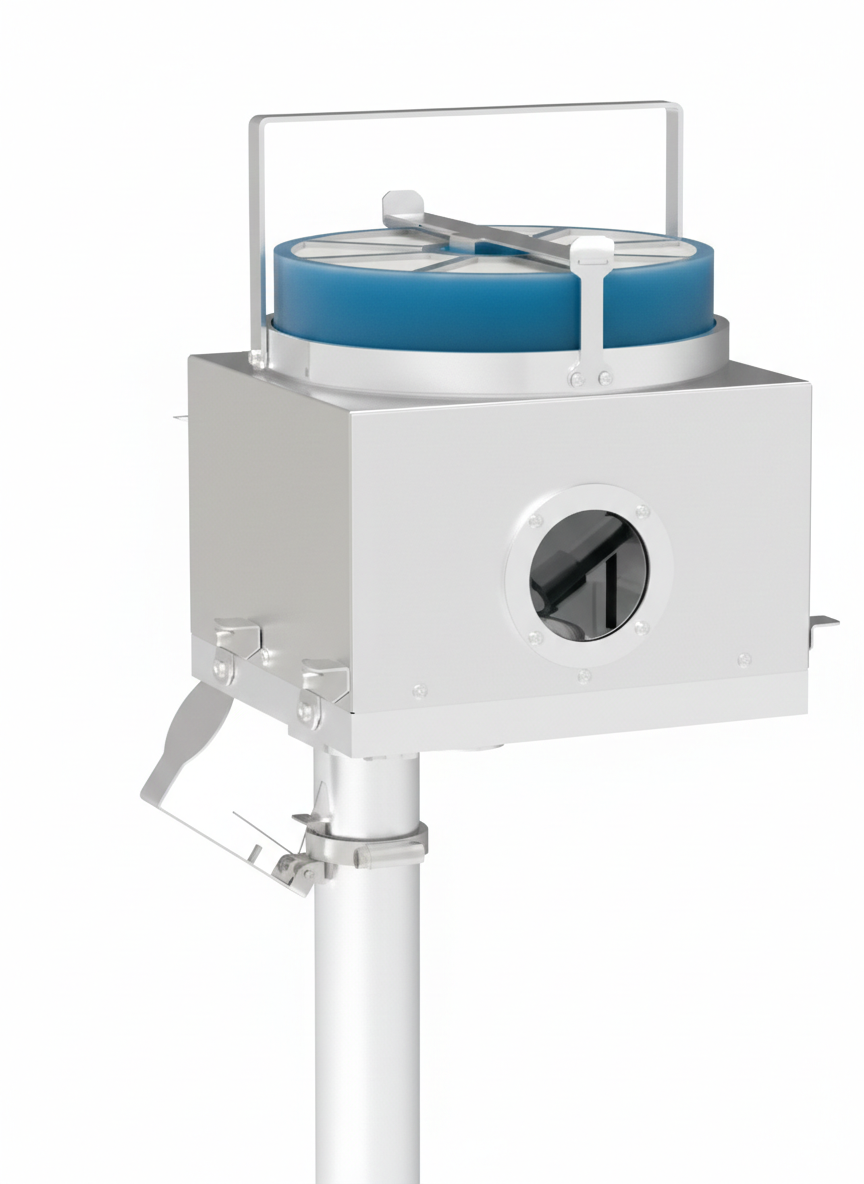
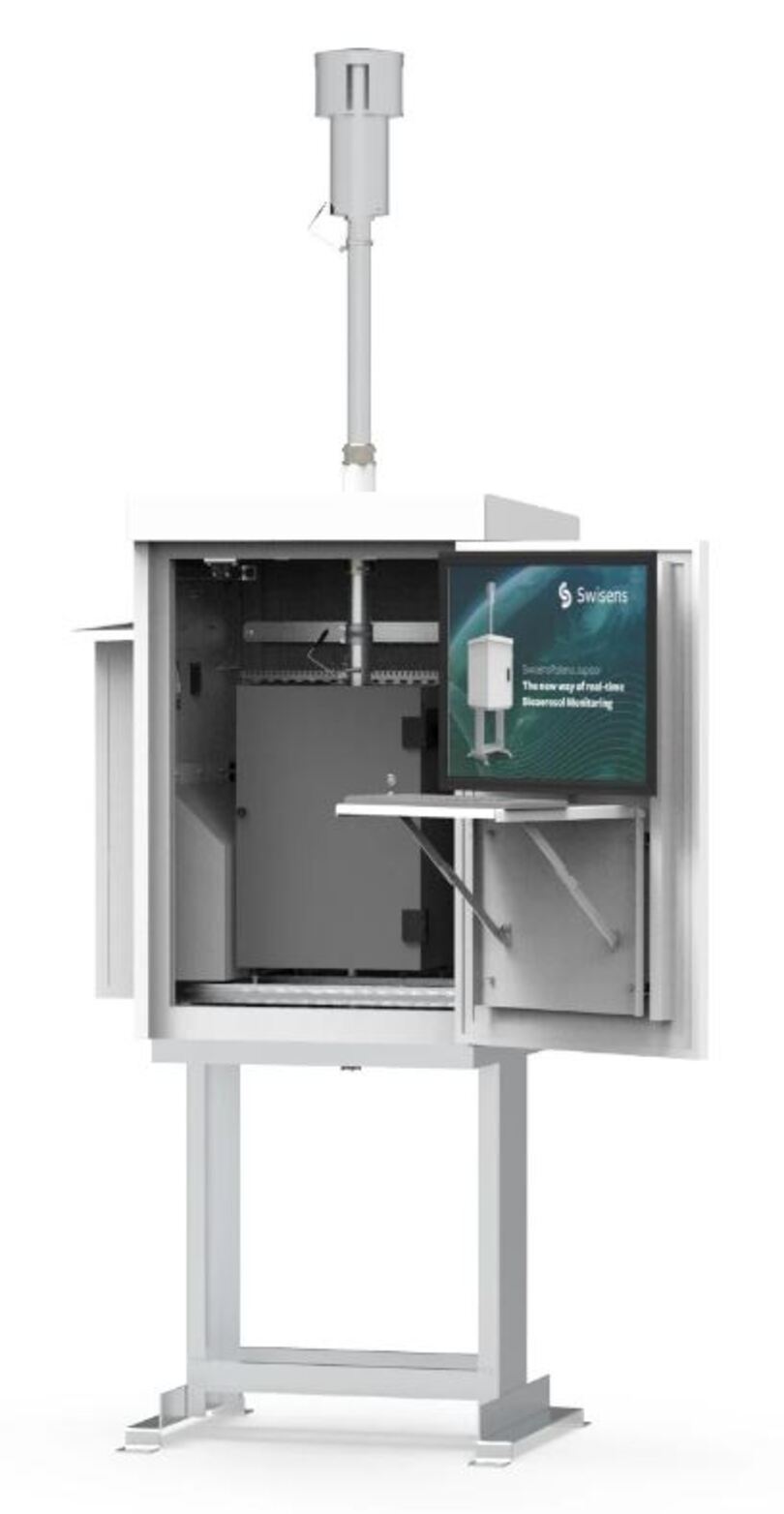
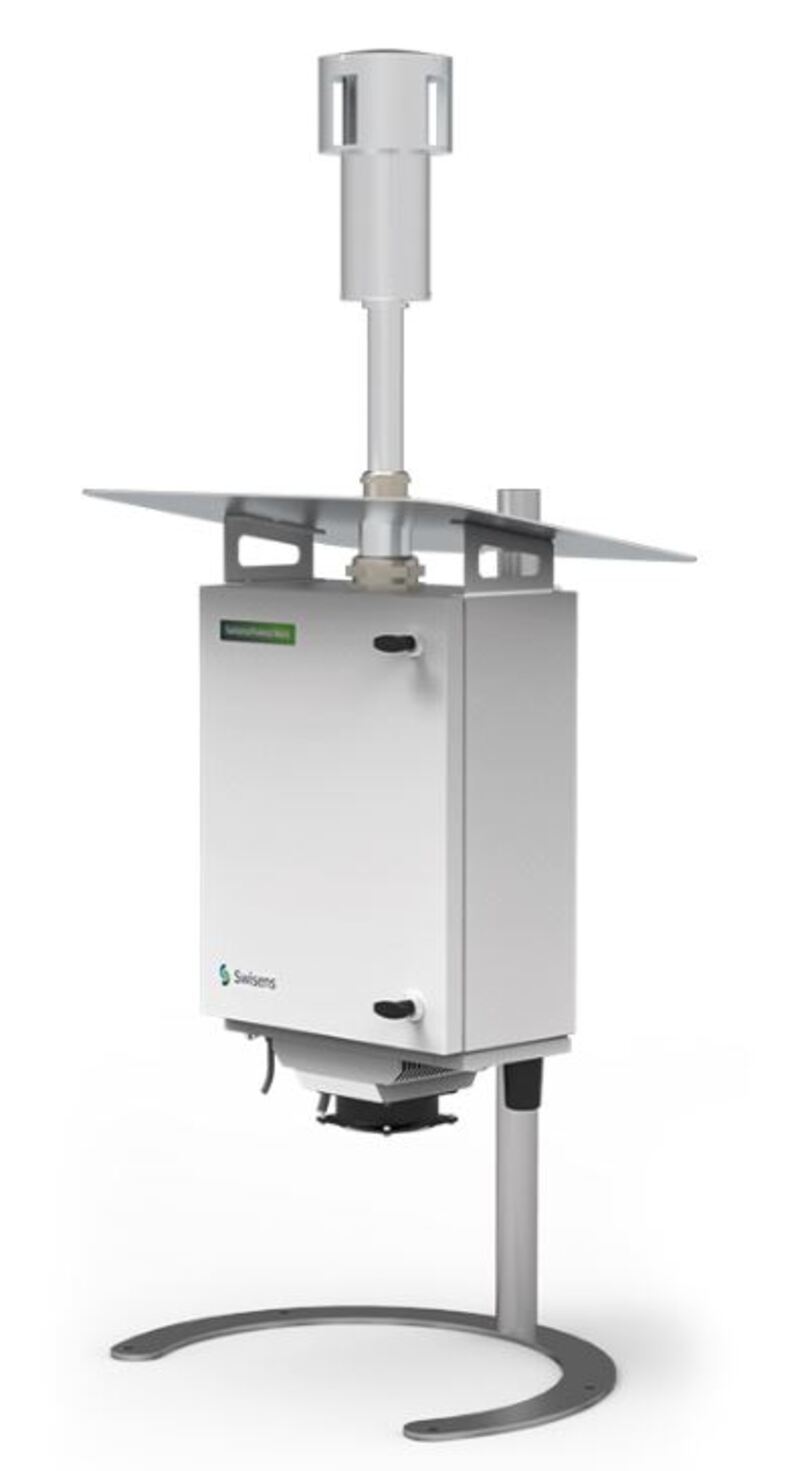
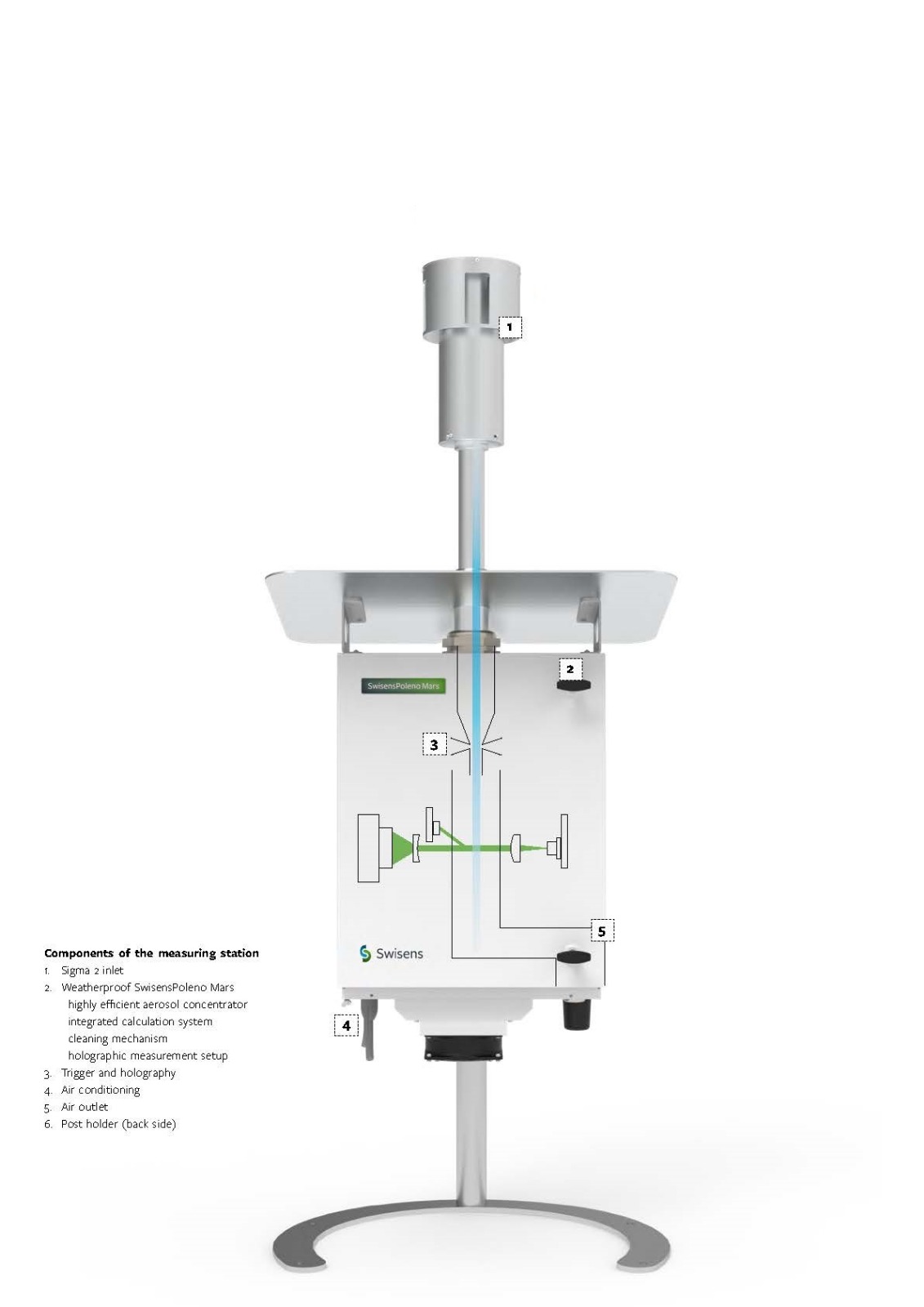
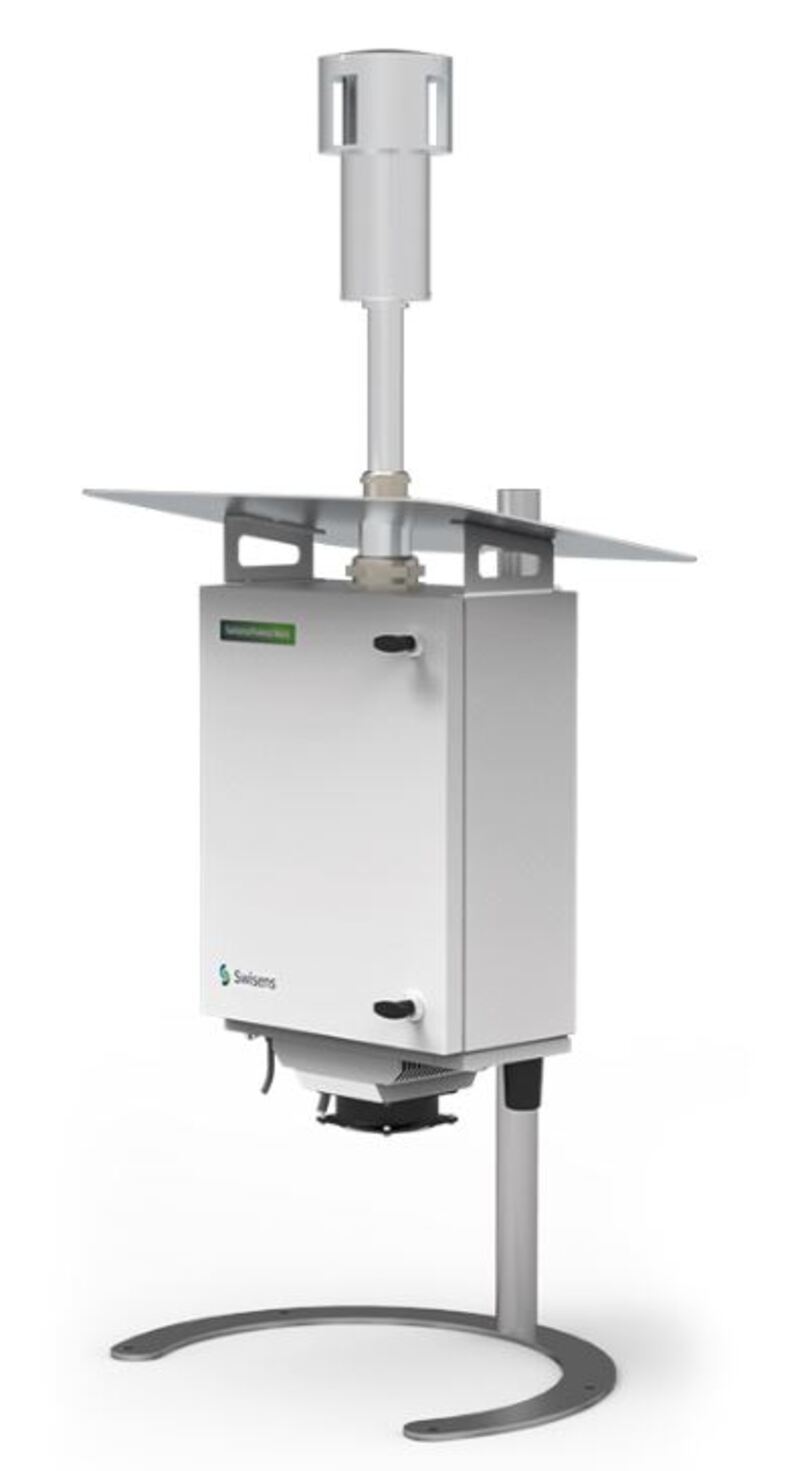
The SwisensPoleno Jupiter is the next-generation real-time bioaerosol monitoring system designed for high- precision detection, classification, and quantification of airborne particles such as pollen, spores, and other biological aerosols. Combining state-of-the-art optical measurement technology with advanced artificial intelligence, it delivers reliable automated particle identification without the need for manual analysis. Conventional methods are slow, labour-intensive, and unable to capture dynamic processes, leaving large knowledge gaps. Swisens addresses this challenge by enabling continuous, real-time, field- based bioaerosol measurement with open data access and AI-driven identification.
Built for both continuous field monitoring and laboratory use, SwisensPoleno Jupiter enables stable long-term operation with a rugged, weatherproof design and fully remote configuration and data access. Its transparent data logs and raw output support research-grade analysis and integration into larger monitoring networks.
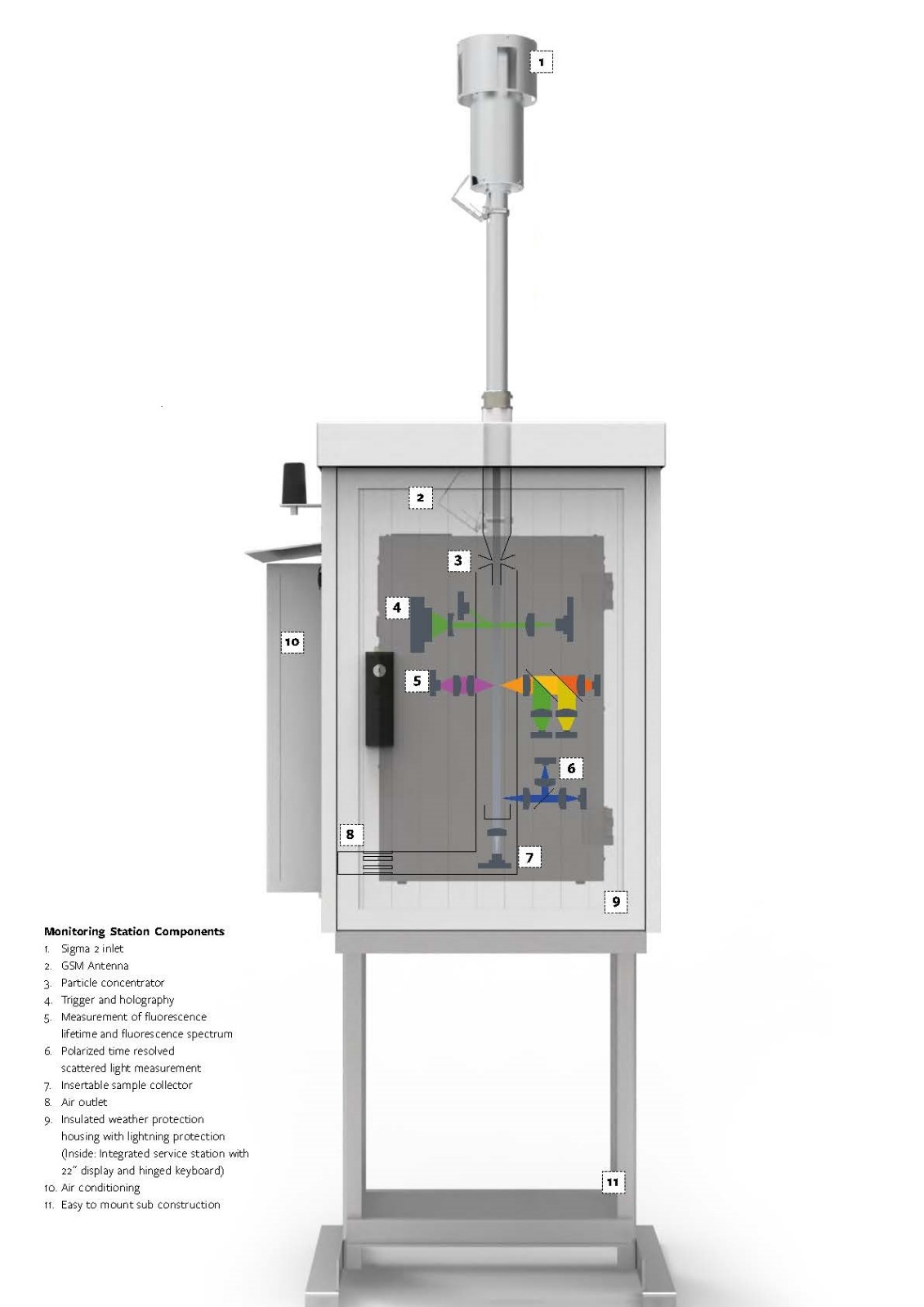
At its core, the system uses a combination of digital holographic imaging, light scattering, polarization measurement, and UV-induced fluorescence (intensity and lifetime) to create rich particle “fingerprints” that machine learning algorithms can classify with high confidence. This allows detection across a broad particle size range (0.5 – 300 µm) and the differentiation of various bioaerosol types in near real time.
Key Features & Benefits:
- Continuous real-time measurement and automatic identification of airborne bioaerosols
- Multi-modal optical measurement: holography, scattering, polarization, and fluorescence
- High-resolution particle data with transparent access to raw logs
- Robust design for long-term outdoor and networked deployment
- Remote data access, configuration, and software updates
- Integrated self-cleaning and no consumables required
- Suitable for research, environmental monitoring, public health applications, and reference measurement networks
- User-trainable machine-learning algorithms to adapt to new or unknown particle classes
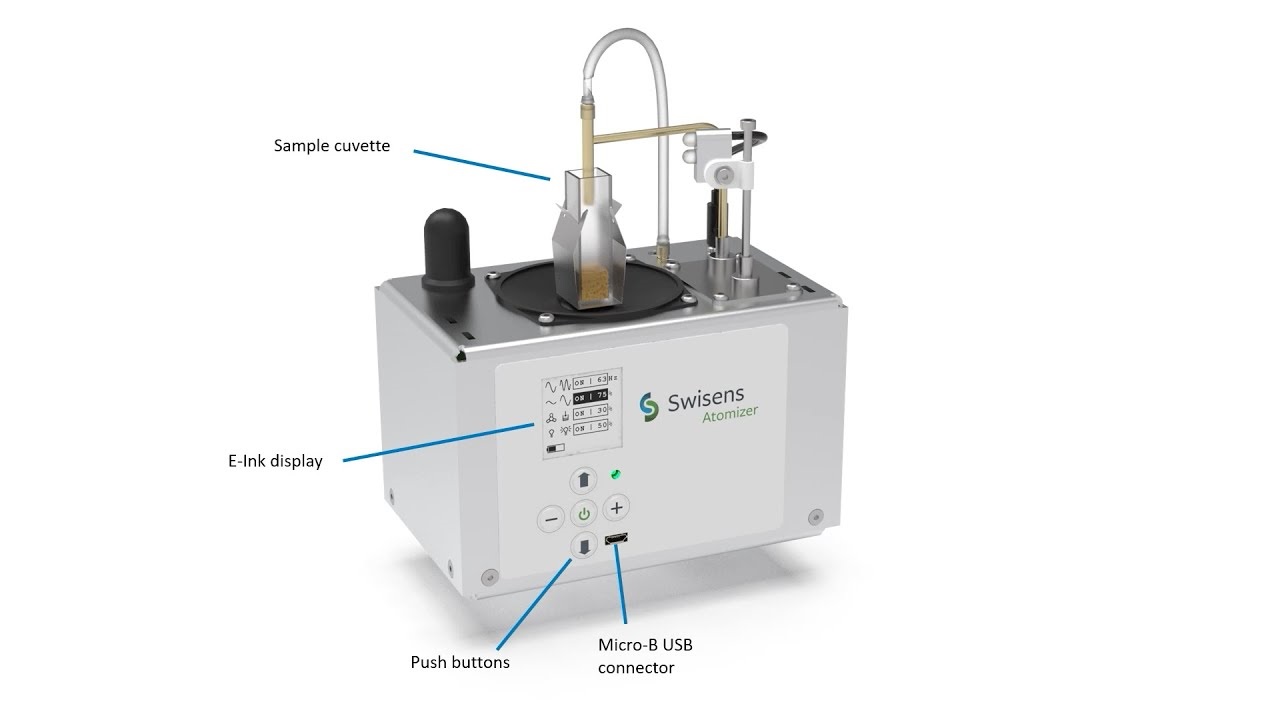
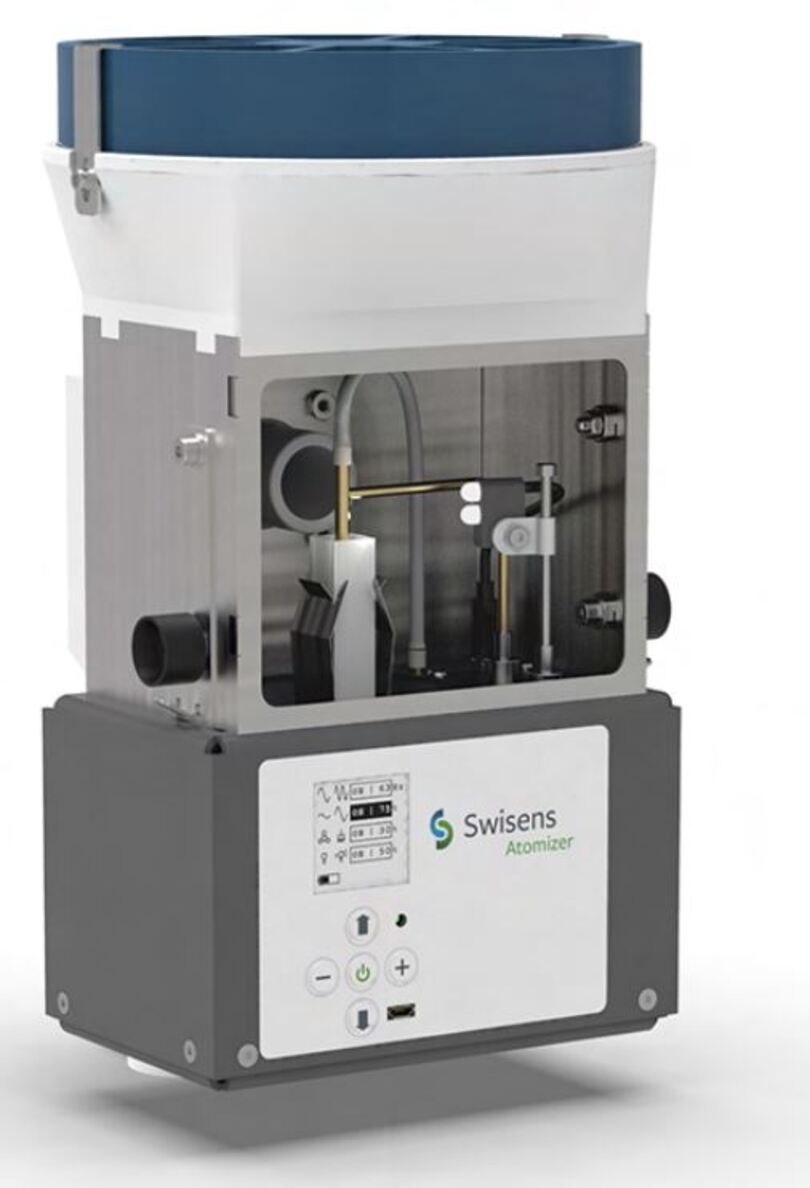
The modular Swisens ecosystem integrates hardware, software, AI training tools, data hosting and maintenance services, enabling researchers to go from measurement → analysis → algorithm training → operational monitoring in one coherent workflow.